How Long After a Teeth Cleaning Can I Eat?
June 15, 2026
How Cavities Form and Progress
August 25, 2026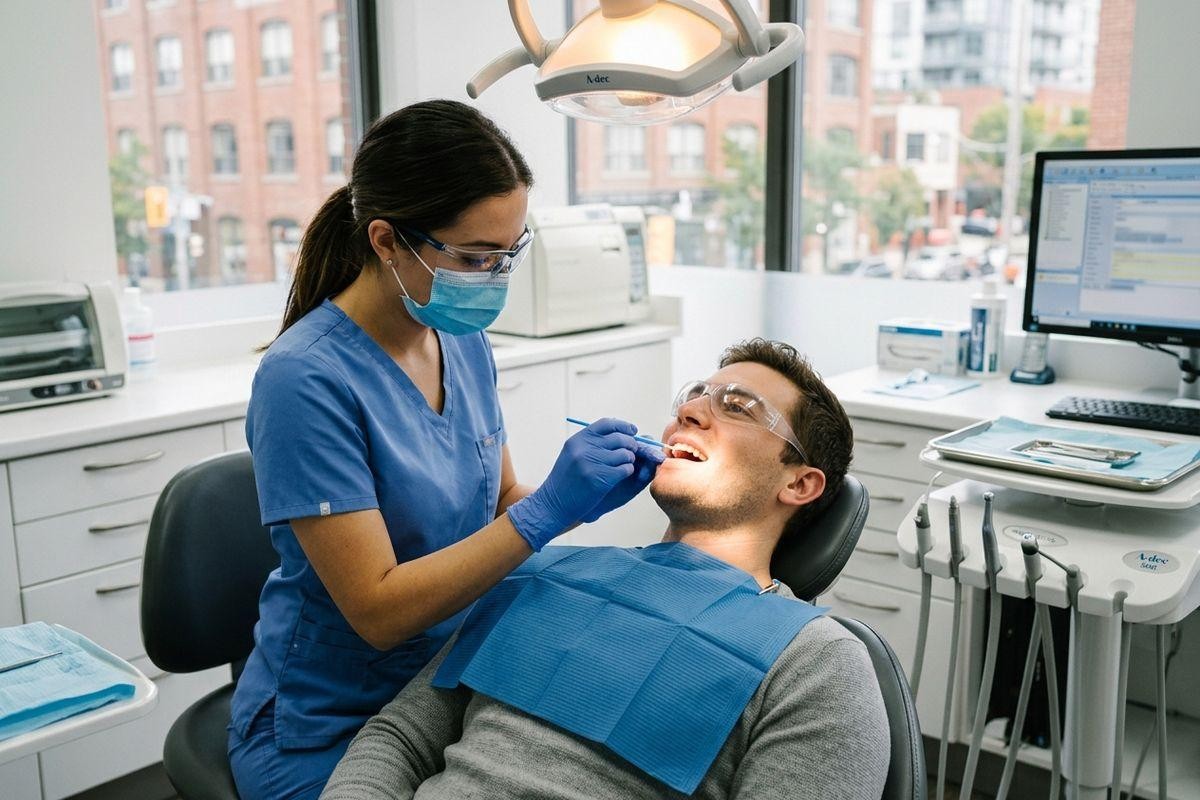
Key Takeaways
- Enamel is the outer layer of each tooth and cannot regenerate once it is lost.
- Fluoride works by incorporating into enamel to form fluorapatite, a mineral structure more acid-resistant than natural hydroxyapatite.
- The demineralisation and remineralisation cycle is the ongoing process fluoride directly supports.
- Professional fluoride varnish contains significantly higher fluoride concentrations than over-the-counter toothpaste.
- Age-appropriate fluoride dosing helps prevent fluorosis in children.
Why Fluoride Matters for Your Teeth
Each exposure to acidic foods, drinks, or bacterial byproducts can contribute to mineral loss from the enamel surface. Bacteria in the mouth feed on sugars and produce acids that gradually wear away the mineral content of your enamel. This process happens quietly, and by the time a cavity appears, the damage has already been building for some time.
Fluoride helps protect enamel by incorporating into its mineral structure, making it more resistant to acid and supporting the natural repair process between acid exposures. To understand exactly how that works, it helps to look at what enamel is, how it weakens, and where fluoride fits into that process at a structural level. Liberty Village Dental takes a preventive approach to oral health, and fluoride is one of the foundational tools the team relies on as part of general dentistry care for patients of all ages.
What Enamel Is & Why It Needs Protection
The Role of Enamel in Oral Health
Enamel is the hard, translucent outer layer that covers the visible portion of each tooth. It acts as a physical barrier between the external environment and the softer inner layers of the tooth, specifically the dentin and the pulp, which contains nerves and blood vessels. Enamel is the hardest tissue the human body produces, yet it is not living tissue. This means that once enamel is lost, the body cannot produce more of it on its own. Tooth enamel loss can result from grinding, acidic foods, and other conditions that accelerate the demineralisation process.
How Acid Weakens Enamel Over Time
The process of acid damage to enamel is called demineralisation. This refers to the dissolution of calcium and phosphate ions from the enamel’s crystalline structure, caused by acidic conditions in the mouth. Each acid exposure leaves enamel slightly more porous and vulnerable. Repeated demineralisation, without adequate recovery time, progressively raises the risk of cavities forming.
The Demineralisation & Remineralisation Cycle
How the Cycle Works
Remineralisation is the natural process by which minerals lost during acid exposure are redeposited back into weakened enamel. Saliva plays a central role here. It carries calcium and phosphate ions that gradually replenish what acid has dissolved. The overall health of enamel at any given time reflects the balance between these two competing processes. When demineralisation consistently outpaces remineralisation, the structure of enamel deteriorates and cavities can develop.
Where Fluoride Intervenes
Fluoride does not simply slow acid damage. It actively accelerates the remineralisation process by making it easier for calcium and phosphate to redeposit into enamel, and it does so in a way that changes the chemical composition of the enamel that forms. This intervention shifts the cycle toward repair and helps interrupt the progression from early acid damage to a fully formed cavity. Fluoride helps prevent tooth decay by strengthening enamel at the mineral level, making this intervention effective at the earliest stage of damage.
How Fluoride Builds Stronger Enamel
Fluorapatite vs. Natural Hydroxyapatite
Natural enamel is composed primarily of a mineral called hydroxyapatite, a calcium phosphate compound that gives enamel its hardness. When fluoride is present during remineralisation, it incorporates into this structure in place of a hydroxyl group, forming fluorapatite. Fluorapatite has a denser, more tightly packed crystalline structure than hydroxyapatite, which makes it significantly more resistant to the acidic conditions that would otherwise trigger demineralisation. The pH threshold at which fluorapatite begins to dissolve is lower than that of hydroxyapatite, meaning acid has to be considerably stronger to affect it.
Topical vs. Systemic Fluoride Sources
Fluoride reaches enamel through two distinct pathways. Topical fluoride refers to direct contact with the tooth surface, through fluoride toothpaste, mouth rinses, or professional varnish applied in a clinical setting. Systemic fluoride refers to fluoride that is ingested, most commonly through fluoridated municipal water, and incorporated into developing tooth structures before they erupt. Both pathways contribute to long-term enamel strength, though topical sources are the primary mechanism for remineralisation in erupted teeth.

Professional Fluoride Treatments vs. Over-the-Counter Options
Concentration Differences That Matter
Many professional fluoride varnishes contain fluoride concentrations around 22,600 parts per million. Standard fluoride toothpaste, by comparison, contains between 1,000 and 1,500 parts per million. That gap is significant. The higher concentration in professional varnish allows for faster and more targeted remineralisation at the tooth surface, particularly in areas that carry elevated cavity risk.
What a Professional Treatment Involves
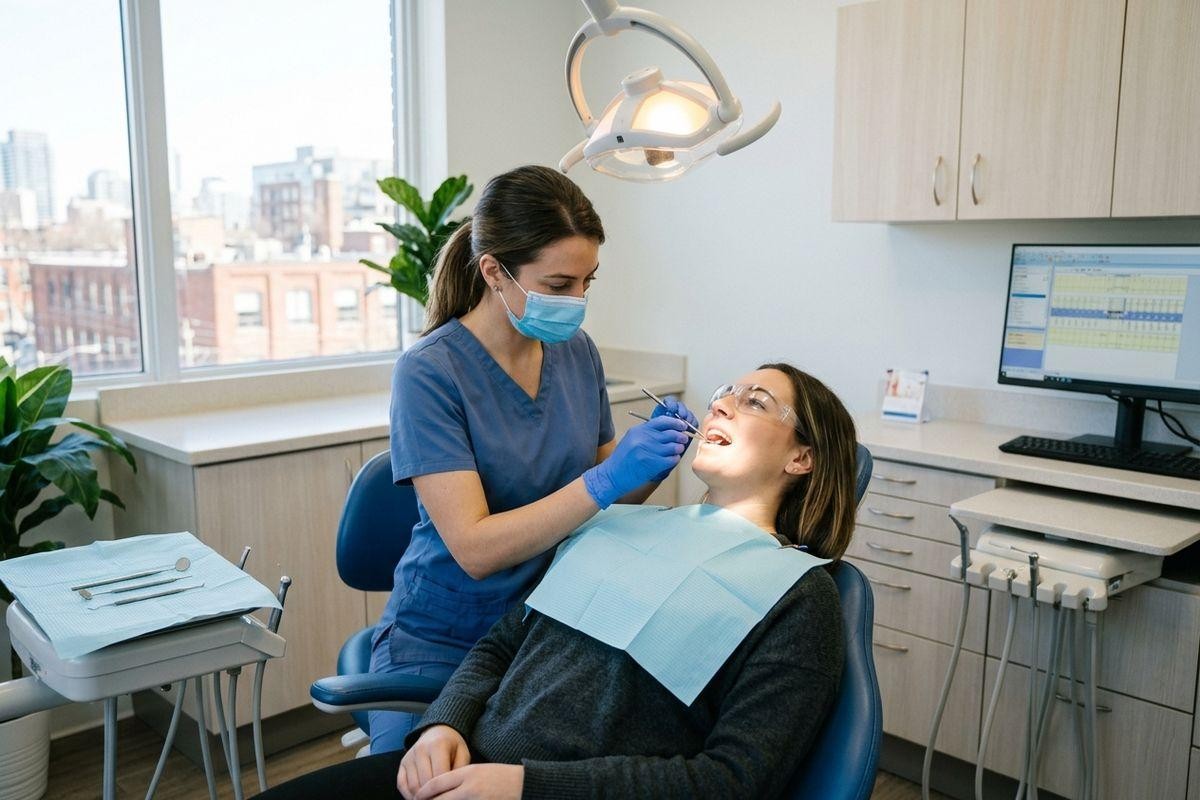
During an in-clinic fluoride treatment, a dentist or dental hygienist applies varnish directly to the surfaces of the teeth. The application is quick and comfortable, and there is no recovery period afterward. How often a person needs professional fluoride depends on their individual cavity risk profile, which the dental team assesses based on factors like diet, saliva quality, oral hygiene habits, and cavity history. This assessment is a standard part of dental hygiene appointments at the practice.
Fluoride Safety & Appropriate Use for Families
Fluorosis & Dosing for Children
Fluorosis is a cosmetic condition that can occur when developing teeth are exposed to more fluoride than is appropriate during the years before they erupt. Mild fluorosis typically appears as faint white markings on the tooth surface and usually does not affect tooth function. Fluorosis is a consequence of excess intake during a specific developmental window, not a risk associated with properly dosed fluoride use. A dentist can guide families on safe and appropriate fluoride use for each child based on their age, weight, and local water fluoride levels.
Safe Use Across Different Age Groups
- Children under 3 years old should use a rice-grain sized amount of fluoride toothpaste.
- Children aged 3 to 6 should use a pea-sized amount, applied with adult supervision.
- Adults benefit from consistent topical fluoride use throughout life to support enamel integrity against ongoing acid exposure.
For Canadian guidance on age-appropriate fluoride use, Health Canada recommends adjusting toothpaste amounts by age and cavity risk, and consulting a dental professional for children under 3.
Talk to Liberty Village Dental About Fluoride Care
Fluoride is one of the most thoroughly studied tools in preventive dentistry, and its mechanisms are well understood at the molecular level. Whether the goal is protecting a child’s developing teeth, maintaining enamel strength in adulthood, or reducing cavity risk in a patient with specific concerns, fluoride use can be tailored to fit the situation.
Our team at Liberty Village Dental can assess your current oral health, review your fluoride sources, and recommend a preventive plan that fits your needs. Reach out to the practice to schedule an appointment and discuss what fluoride care looks like for you and your family.